Muslim Woman Praying with Hijab Quran Mo Review
As an experienced embroidery designer and product reviewer, I often look for designs that not only reflect cultural and spiritual significance but also perform well in real-world applications. Muslim Woman Praying with Hijab Quran Mo is a design that caught my eye for its thoughtful composition and meaningful symbolism. In this review, I’ll walk you through how it works as a machine embroidery design, what to consider when using it on different products, and where it shines—or needs careful handling.
A Peaceful Visual Foundation
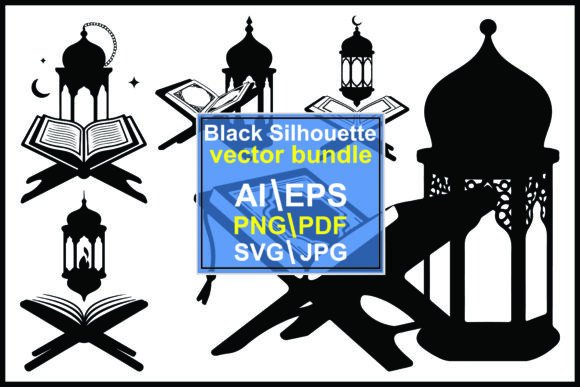
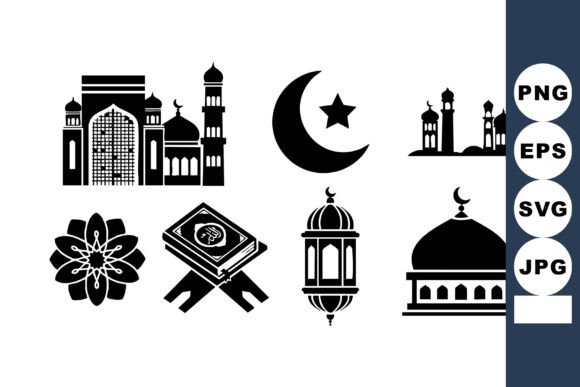
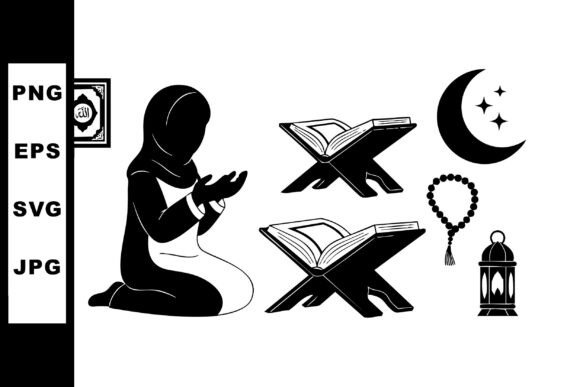
The first thing that stands out about Muslim Woman Praying with Hijab Quran Mo is its simple black vector style. It’s clean, elegant, and carries a strong message of devotion and faith. The silhouette of the woman in hijab praying next to an open Quran, crescent moon, lantern, and tasbih beads creates a peaceful mood that resonates emotionally. This kind of visual personality is ideal for handmade products or personalized gifts that aim to express respect, spirituality, or inclusivity.
Because the design uses minimal detail and relies heavily on negative space, it feels both modern and traditional at the same time. That balance makes it versatile for various embroidery projects, especially those targeting Muslim audiences or featuring Islamic motifs in a respectful way.
Real-World Use: Custom Apparel and Tote Bag Design
I recently considered using this design for a custom sweatshirt project commissioned by a boutique shop. The idea was to create a subtle yet meaningful piece for modest fashion lovers. When I overlaid the embroidery file onto a 15" x 10" mockup of a cotton-blend sweatshirt, the layout worked beautifully. The figure of the woman and the Quran were centered, with the crescent and other symbols arranged neatly around them.
For tote bag designs, the Muslim Woman Praying with Hijab Quran Mo fits perfectly within a larger format. Its simplicity means it doesn’t overwhelm the fabric, while still making a statement. I imagine it would work especially well for handmade product lines like prayer mats, reusable shopping bags, or even baby items for Muslim families. The imagery has enough weight to be impactful without being too busy—key for custom apparel that needs to remain wearable and stylish.
What Customers Might Say
- "This design really captures the essence of my faith."
- "I love the minimalist approach—it looks elegant on my daughter’s nursery wall."
- "It's perfect for my Etsy listing; customers are asking if it can be used for wedding gifts."
These kinds of responses are common when a design connects culturally and visually. That said, the key is ensuring the stitch clarity holds up across different materials and formats.
Performance Across Products
This illustration translates well into several embroidery project types:
- Sweatshirts & T-Shirts: Works best in the center area. The black-on-light contrast highlights the details, and the overall shape remains legible even after stitching.
- Tote Bags: Especially effective for holiday embroidery or gift bags. The peaceful tone aligns with themes of mindfulness and gratitude.
- Baby Clothes: A great choice for modest-themed baby outfits or nursery décor, provided the design is scaled appropriately.
- Embroidered Patches: The flat, vector-based nature of the design makes it suitable for applique-style embroidered patch creation. Just make sure the hoop size is adequate for all elements.
- Aprons & Pillow Covers: Offers a decorative yet respectful touch. The crescent and lantern add subtle movement to otherwise static surfaces.
- Tea Towels & Kitchen Textiles: Ideal for craft business owners looking to offer functional yet meaningful home goods.
- Digital Embroidery File Use: Since it’s a vector illustration, it should adapt well to printable mockups and digital previews. The lack of color complexity keeps it easy to manage for digital product sellers.
Where to Be Cautious
While the design is beautiful and symbolic, there are a few areas where care is needed:
- Small Hoop Sizes: If you plan to use this on a cap or hat, you may need to simplify or scale down significantly. The intricate elements might get lost in tight spaces.
- Textured Fabrics: On canvas or denim, the texture could affect stitch definition. Test it on scrap material before committing to a final product.
- Thin or Stretchy Fabric: These can cause distortion during stitching. Look for medium-weight cotton or polyester blends for best results.
- Dark Backgrounds: The black thread won’t show up well on dark fabric. Consider using white or metallic thread for higher visibility.
- Layered Garments: If the design is going on a layered item like a hoodie with a lining, ensure the stitching is secure and the design isn’t buried under extra layers.
- Dense Stitch Areas: While the design is mostly line work, some sections may require fill stitches. Monitor stitch density to avoid puckering or stiffness.
Design Impact and Customer Trust
One of the strengths of Muslim Woman Praying with Hijab Quran Mo is its ability to convey meaning clearly. It’s not just a pretty graphic—it tells a story of devotion and tradition. As an embroidery designer, I know that visuals that resonate emotionally tend to boost product value and customer trust. For small shop product lines, especially those catering to niche markets, this kind of authenticity is crucial.
Its use on Etsy listings could enhance buyer engagement, particularly for personalized gifts or sweatshirt embroidery meant for family or community events. The design’s respectful portrayal of Islamic symbols helps build brand consistency for businesses aiming to represent diversity and inclusion.
Handmade Presentation and Giftability
When applied to handmade product like a pillow cover or nursery decor, the design adds a layer of sophistication and intentionality. The soft curves and deliberate placement of each symbol contribute to a professional finish. It also makes for a thoughtful personalized gift—especially for milestones like Eid, graduation, or new motherhood.
On the flip side, using it on stretchy or curved surfaces (like a cap) requires adjusting the layout and possibly breaking it into smaller components. Otherwise, the crescent and other shapes may appear misaligned or distorted after stitching.
Designer Notes for Practical Application
Here are a few tips from my experience working with similar illustrations in commercial and personal projects:
- Test on Scrap Fabric: Always run a test stitch on a sample before applying it to your final product.
- Check Thread Color Contrast: If using black thread, ensure the background fabric is light enough for visibility.
- Review Stitch Density: Avoid over-stitching delicate parts like the Quran or tasbih beads to maintain fabric integrity.
- Confirm Hoop Size: Make sure your hoop can accommodate the full design without forcing it into a smaller area than recommended.
- Inspect Small Details: The crescent and beads are fine features—verify that they translate well in the chosen thread and fabric combination.
- Try Black and White Mockups: This design’s impact comes from contrast rather than color, so evaluating it in grayscale can help you understand how it will look once stitched.
- Compare Light and Dark Fabrics: You may want to prepare two versions of the design—one for lighter backgrounds and one adapted for darker ones using alternative thread colors.
- Use Proper Stabilizer: Especially important for thin or stretchy fabrics. Tear-away or cut-away stabilizers can prevent shifting during embroidery.
- Licensing Check: Before selling finished products or including the design in commercial embroidery kits, confirm whether the file allows resale or commercial use.
Final Thoughts on the Design’s Versatility
In summary, Muslim Woman Praying with Hijab Quran Mo is a powerful embroidery design that brings cultural depth and aesthetic calm to any project. Whether you’re an apparel decorator crafting sweatshirts for a modest clothing line or an Etsy seller offering personalized gifts, this design can elevate your work with its symbolic richness and visual harmony.
However, it’s not a one-size-fits-all solution. The design benefits most from thoughtful application—considering fabric type, stitch count, and intended audience. With the right preparation, it can become a signature asset in your design assets collection, helping you stand out in the world of small shop product development and handmade embroidery.
If you're thinking of using this for a specific project, take the time to evaluate how the symbols interact with your chosen fabric and thread palette. And remember, always double-check licensing terms before moving into production. Done right, this design can speak volumes—and not just in words.